Slide 1 of 4
Slide 2 of 4
Slide 3 of 4
Slide 4 of 4
Your Browser Is No Longer Supported. Please use an alternative browser to improve your experience and security.
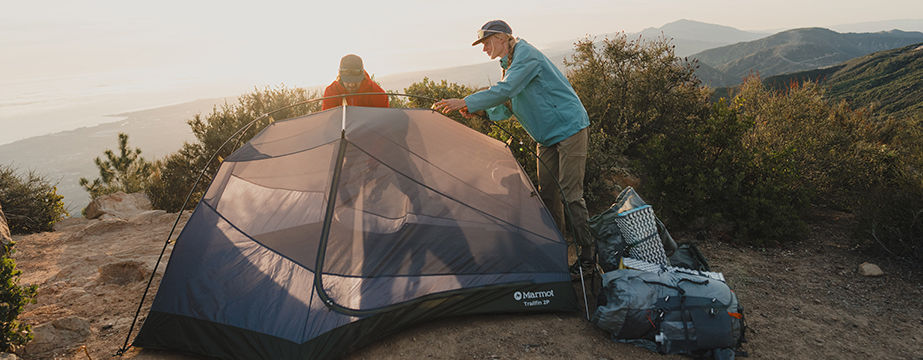
A tent can take a lot of abuse during camping season. It gets jammed into a stuff sack before breakfast, pitched on rocky ground, sits out in the rain, wind, dirt, and sun, and then gets packed away again at the end of the trip. Most tents are built to handle tough conditions, but performance depends on more than what happens at camp.
Many tent problems develop after the trip is over. Moisture left in the fabric, dirt trapped in seams, or months of improper storage can gradually affect waterproofing, durability, and overall performance. A tent might still look fine when it comes out of storage, but it may fail to shed water as effectively as it once did.
The good news is that tent care doesn’t have to be complicated. A few simple habits can help extend the lifespan of your shelter and keep it performing reliably over the years. This guide explains how to clean a tent, dry it properly, store it between trips, maintain waterproofing, and avoid common mistakes that can shorten a tent's lifespan.
Many tent problems develop after a trip, not during it. A tent packed away damp after a rainy morning or left sitting in a hot garage between camping seasons can age more quickly than a lot of people realize.
Small issues can build up over time. Moisture can lead to mildew, dirt can wear down coatings, and long periods of storage can affect fabrics, seams, and zippers. By the time you notice a leak or a sticky zipper, the damage has often been developing for months.
Tent care is less about keeping your shelter looking clean and more about maintaining the waterproofing, durability, and reliability you depend on. The goal is to prevent small problems from becoming bigger ones later.
Most tents don’t fail because of a single storm or camping trip. Instead, wear develops gradually through repeated exposure to dirt, moisture, sun, and regular use.
The most common causes of tent damage include:
Tent floors often experience more abrasion than any other part of the tent because they remain in constant contact with the ground throughout a trip.
A few preventive measures can help reduce this wear. For example, using a tent footprint such as the Tungsten UL Footprint or Limestone Footprint creates a barrier between the tent floor and rough ground, helping reduce abrasion and moisture exposure during repeated trips.
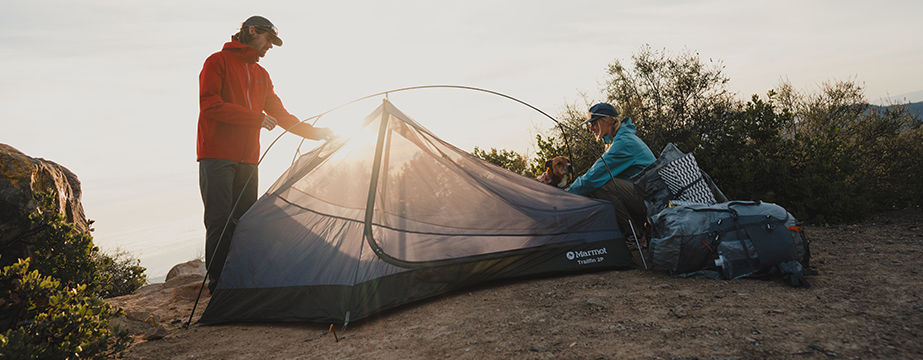
A tent doesn’t need a deep cleaning after every trip. In many cases, shaking out loose debris and allowing the tent to dry completely is enough. However, after trips involving mud, sand, heavy rain, or extended use, a more thorough cleaning can help prevent premature wear.
To clean a tent, start with the gentlest approach possible. Tent fabrics rely on specialized coatings and treatments that can be damaged by harsh cleaning products or aggressive scrubbing.
Most of the time, spot cleaning is all that's needed. Use a soft sponge or cloth with cool or lukewarm water to remove dirt from affected areas. This works well for mud splatters, dirty tent floors, or small stains that develop during normal camping use.
Pay attention to seams, corners, and the tent floor, where dirt tends to accumulate after repeated setup on the trail.
After long trips or particularly muddy or dirty conditions, washing a tent may be worthwhile. Set it up and gently clean the fabric using water and a cleaner designed for technical outdoor gear.
Avoid household detergents, bleach, and other harsh cleaning products, which can damage waterproof coatings. If you're wondering whether you can wash a tent in the washing machine, the answer is usually no. Hand washing is generally the preferred method because it places less stress on fabrics, seams, and mesh panels.
Some camping conditions leave behind more than ordinary dirt. Forest campsites can expose your shelter to tree sap, coastal trips may leave salt residue, and damp weather can lead to musty odors if moisture remains trapped after a trip.
When cleaning a tent after camping, focus on the problem areas rather than the entire shelter. Remove sap carefully, rinse away salt residue with fresh water, and address stains before long-term storage.
If you're trying to get a smell out of a tent, thorough drying is often more important than additional cleaning products. Musty odors are usually a sign that moisture was trapped in the tent for too long, which can eventually lead to mildew.
Learning how to dry a tent properly is one of the most important parts of tent maintenance.
Even a clean tent can develop problems if it's stored while damp. Moisture trapped in fabric, seams, and corners can contribute to mildew growth, unpleasant odors, and gradual coating deterioration.
Anyone who’s broken down camp in the rain knows that sometimes a wet tent has to be packed. The important step is making sure it doesn't stay that way once you get home.
Set the tent up in a well-ventilated area and allow all surfaces to dry completely before storage. Pay attention to corners, seams, rainflies, and tent floors, which often retain moisture longer than large fabric panels.
If outdoor space is limited, an indoor setup can work as long as airflow is adequate.
Direct sunlight can help speed up drying, but extended UV exposure creates its own wear over time. A balance of airflow and moderate sun exposure is usually the best approach.
No. Most tents should never be placed in a household dryer.
High heat can damage coatings, weaken fabrics, affect seam tape adhesion, and shorten the lifespan of your tent. Air drying remains the safest and most effective method.
A good rule of thumb: if there's any doubt whether the tent is completely dry, give it more time. A few extra hours of drying is far better than weeks of wet tent storage.
After the last trip of the season, it's tempting to leave your gear packed until next spring. Unfortunately, that's often where storage-related problems start.
Before putting your tent away, follow a few basic guidelines:
A simple tent storage setup is usually the most effective.
Most modern tents use waterproof coatings, seam-taped construction, and weather-resistant fabrics to help manage wet conditions. Over time, weather exposure and regular use can reduce how effectively those systems perform.
The good news is that most tents do not need constant re-treatment. Understanding the signs of wear is more important than following a strict waterproofing schedule.
The first step is determining whether waterproofing is actually an issue.
Common signs of waterproofing wear include:
A tent that still sheds water effectively and shows no signs of coating wear probably doesn’t require a treatment.
Different parts of a tent help manage moisture in different ways:
Many tents, including the Limestone Tent and Tungsten Tent, use seam-taped construction and weather-focused floor designs to help keep water out during wet conditions.
If water stops beading on the rainfly or you notice leaks, flaking coatings, or worn seam tape, it may be time to restore the tent's weather protection. In most cases, proper cleaning, drying, and storage do more to preserve waterproofing than frequent re-treatment.
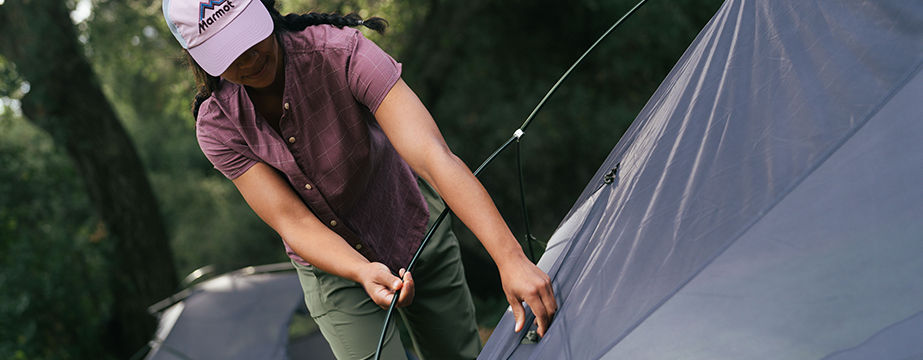
Tent fabric usually gets most of the attention, but high-wear components like zippers, poles, and seams need regular inspection too. A quick check during setup, takedown, or post-trip cleaning can help catch wear before it affects performance in the field.
As part of routine tent zipper care and general maintenance, pay particular attention to:
Most of these inspections only take a few minutes, but they can help prevent problems on future trips.
A tent doesn't need constant attention to stay in good condition. Cleaning away dirt after trips, drying it completely before storage, and checking high-wear areas after each outing can help preserve waterproofing and reduce unnecessary wear.
Whether you camp a few weekends each year or go outside whenever you can, those simple habits can help your tent stay in good condition for years to come.
Tent lifespan varies widely depending on how often it is used, the conditions it experiences, and how it is stored. Proper care can help extend its usable life.
Yes. Tents can deteriorate in storage if they are exposed to excessive heat, humidity, or trapped moisture. Even a tent that rarely leaves the closet can experience coating breakdown or mildew issues if storage conditions are poor.
Household soaps and detergents can sometimes affect waterproof coatings and fabric treatments. When cleaning a tent, it is generally best to use products designed for technical outdoor gear and follow the care instructions provided by the manufacturer.
That depends on the environment inside the shed. A dry, temperature-stable shed may work well, while one that experiences extreme heat, humidity, or moisture can accelerate wear. Indoor storage is generally the safer option when available.
Rinsing a tent with water can help remove dirt, dust, and debris as part of routine cleaning.
Continue with chat using the message bubble


