Slide 1 of 4
Slide 2 of 4
Slide 3 of 4
30% Off Almost Everything*
Slide 4 of 4
Your Browser Is No Longer Supported. Please use an alternative browser to improve your experience and security.

If you've worn the same rain jacket through a few seasons of hiking, travel, or everyday use, you've probably noticed changes in how it handles wet weather. Water may stop beading on the surface, the fabric can feel damp sooner during rain, or the inside may become clammy.
Most people assume the jacket is wearing out, but that's not always the case. Dirt, sweat, body oils, and regular wear can all affect waterproofing and breathability over time. A lot of the time, the jacket just needs a proper cleaning to work the way it’s supposed to.
This guide explains how to wash a rain jacket, restore water repellency when performance dips, and store waterproof outerwear between trips.
A rain jacket doesn't stop working all at once. More often, its performance diminishes gradually as contaminants and everyday wear take their toll.
You might start to notice water no longer beads across the shoulders after a day under a pack or that the jacket feels more humid during a long climb. Moisture can also start building up inside the jacket quicker, especially in warm weather. These changes often happen before the waterproof barrier itself is affected.
This is one reason regular maintenance matters. Keeping a rain jacket clean helps it shed water and manage moisture, especially during long days in wet weather.

Most rain jackets are made from a durable face fabric, a waterproof-breathable barrier, and a durable water repellent (DWR) finish applied to the surface. These components work together to block rain while helping moisture escape.
For example, jackets such as the Men's Minimalist Pertex® Rain Jacket and Women's Minimalist Pertex® Rain Jacket use a breathable, waterproof construction paired with a DWR-treated face fabric, allowing the different layers to work together during extended use in wet weather.
When the DWR finish begins to wear down, the outer fabric can start absorbing water. This is known as wetting out. The jacket may still be keeping rain out, but the saturated fabric makes it harder for moisture to move outward, which can make it feel damp or clammy inside.
Common signs of wetting out include:
Dirt, oils, and abrasion from pack straps can all speed up this process, which is why washing often improves performance rather than harming it.
Many people wait until a jacket looks dirty before washing it. For waterproof outerwear, performance often starts declining well before it looks dirty.
A jacket worn regularly for hiking, commuting, travel, or backpacking gradually collects sweat, sunscreen, skin oils, dirt, and other contaminants. Even when the fabric looks clean, that buildup can restrict airflow through the garment and reduce its ability to shed water.
Signs that your rain jacket may need cleaning include:
How often you should wash your rain jacket depends on how often it's worn. A shell used every week will typically need more frequent cleaning than one that only comes out for travel.
One of the most common myths about rain jacket care is that washing removes waterproofing. In reality, cleaning your jacket more often helps restore water-shedding ability and moisture management by removing contaminants.
Most rain jackets can be washed in a washing machine when the care instructions allow it. Using the recommended settings and avoiding harsh detergents helps remove contaminants that affect water repellency and breathability.
For most jackets, the basic process looks like this:
A proper wash is especially useful after trips where sweat, dust, and moisture have accumulated over several days of wear.
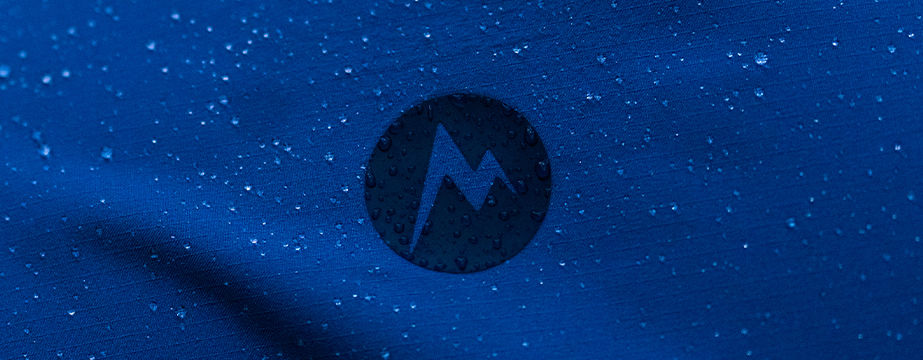
Knowing how to dry a rain jacket properly is just as important as washing it. For many waterproof jackets, low heat can help restore the performance of the existing DWR finish after washing when the garment's care instructions allow it.
If the care instructions allow machine drying, using the recommended heat setting may help restore the jacket's ability to shed water. This often makes a noticeable difference when water has stopped beading consistently but the DWR treatment is still present.
If a dryer isn't available, allow the jacket to air dry completely before storing it.
Following the garment's care instructions is important because drying recommendations can vary between jackets.
Eventually, washing and drying may no longer restore water repellency. If water still soaks into the face fabric after cleaning, you may need to reapply DWR. Areas exposed to repeated friction, such as the shoulders, cuffs, forearms, and collar, usually show wear first.
Signs it may be time to reapply DWR include:
Reapplying DWR typically involves cleaning the jacket first and then applying a spray-on or wash-in treatment according to the product instructions. Some treatments may also require heat to fully activate.
Reapplying DWR can help restore the jacket's ability to shed water and support breathability.
It's important to remember that DWR and waterproofing are not the same thing. DWR helps water bead on the surface, while the waterproof barrier beneath the face fabric is responsible for keeping rain out.
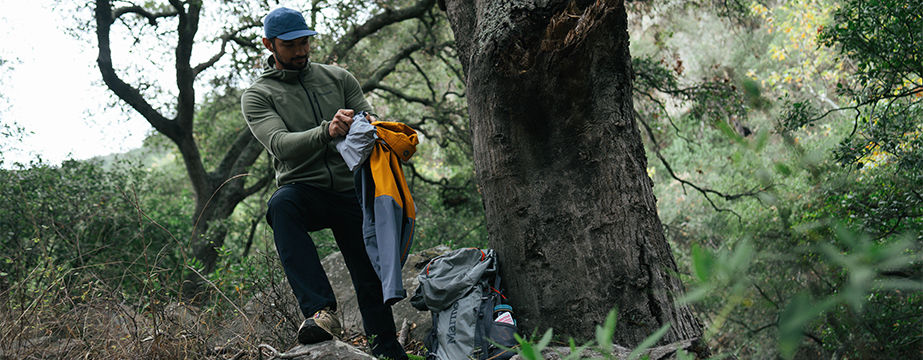
A rain jacket spends more time in storage than it does in the rain. How it's stored between trips can have a surprisingly big impact on long-term performance.
Before putting a rain jacket away, make sure it's completely dry. Packing or storing a damp shell can lead to odors and may allow moisture to linger in the fabric longer than necessary.
Many rain jackets are designed to stuff into their own pocket while you're on the trail, but that approach is best reserved for when you need to stuff it into a backpack. Once you're home, it's better to hang the jacket or store it loosely in a cool, dry location until you need it again.
In many cases, yes. Most waterproof jackets are designed to be machine washed when you follow the care instructions on the garment label. Using the appropriate cleaner and avoiding fabric softeners or standard detergents helps protect water repellency and breathability.
There isn't a single schedule that works for everyone. A jacket used regularly for hiking, commuting, or travel will generally need cleaning more often than one that's only worn occasionally. Performance changes such as reduced breathability or poor water beading are often better indicators than a strict schedule.
It's best to avoid standard laundry detergents unless the garment's care instructions specifically allow them. Some detergents can leave residue behind that affects water repellency and breathability.
Many rain jackets can be tumble dried on low heat if the care instructions allow it. Low heat can help reactivate the existing DWR finish and improve water beading on the outer fabric.
Start by washing and drying the jacket according to the care instructions. If water still soaks into the face fabric instead of beading, it may be time to apply a DWR treatment.
A wet interior does not always mean the jacket is leaking. During hiking, climbing, or humid conditions, your body can generate moisture faster than the jacket can breathe, especially if the outer fabric has started wetting out.
If your base layers stay dry but the outer fabric absorbs water, the waterproof barrier may still be functioning as intended. In many cases, the jacket simply needs cleaning or a refreshed DWR treatment.
Continue with chat using the message bubble


