Your Browser Is No Longer Supported. Please use an alternative browser to improve your experience and security.



Breathable Fabrics Explained: What Works for Heat, Movement, and Weather

When temperatures rise, most people start looking for lighter clothing. But weight is only part of the equation. A shirt can feel light in the store and still feel hot and uncomfortable on a hike if it traps heat or struggles to manage sweat.
A breathable fabric is a material designed to promote airflow and help heat and moisture vapor escape more easily during activity. This becomes noticeable during a long climb, on an exposed section of trail, or while carrying a heavy backpack.
Whether you're hiking, traveling, trail running, or however you’re spending a day outside, understanding fabric breathability can help you choose clothing that’s right for the conditions.
What Breathable Fabrics Actually Do in Heat & Movement
Many people assume breathable fabrics are simply lightweight materials, but breathability is really about how clothing responds once your body starts generating heat.
Hiking, climbing, or trail running all place different demands on your clothing. Breathable fabrics help reduce the feeling of trapped heat so your clothing stays more comfortable when the pace picks up or the day heats up.
Key benefits of breathable fabric include:
- Better air circulation
- Improved heat release
- Less trapped warmth
- More consistent comfort during extended activity
These benefits become more noticeable as temperatures rise, the terrain gets tougher, or the amount of time spent outside increases. That is why breathable fabric matters most when conditions and effort change over the course of the day.
Breathability vs Moisture-Wicking vs Quick-Drying
The terms breathability, moisture-wicking, and quick-drying are often grouped together, but they describe different aspects of fabric performance.
Breathability refers to how easily air moves through a material. Moisture-wicking describes a fabric's ability to move sweat away from your skin. Quick-drying fabrics focus on how rapidly moisture leaves the fabric after it has been absorbed or spread across the surface.
During a climb or fast-paced hike, all three features work together:
- Breathability: Promotes airflow through the garment
- Moisture-wicking: Moves sweat away from the skin
- Quick-drying: Helps moisture leave the fabric more quickly
In practice, comfort often depends on how these characteristics work together rather than how a fabric performs in a single area.
How Fabric Construction Controls Airflow & Heat
When discussing breathable fabrics for hot weather, the fiber matters, but construction often matters just as much. Two shirts made from similar materials can feel surprisingly different once the temperature rises or the trail turns uphill.
Several construction details influence breathability:
- Fabric weight
- Yarn size
- Weave or knit structure
- Surface texture
- Spacing between fibers and yarns
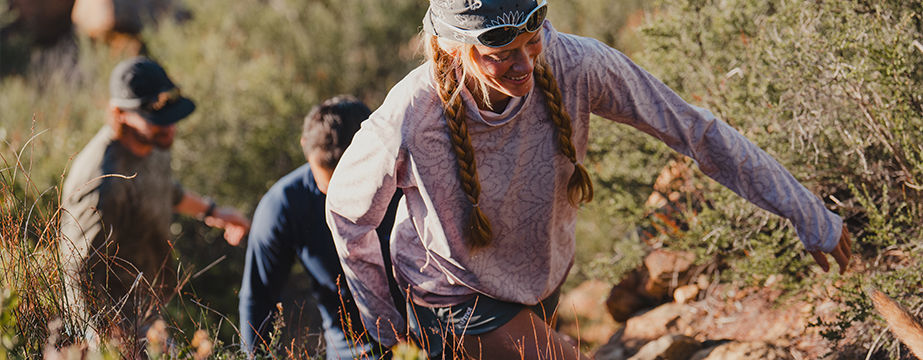
This is one reason thinner doesn't always mean cooler. Many warm-weather hiking shirts rely on specialized fabric constructions to encourage airflow while maintaining coverage and durability. For example, the Men's AirExchange Perforated Long-Sleeve Collared Shirt and Women's AirExchange Perforated Long-Sleeve Shirt use micro-perforated fabric constructions that create additional pathways for airflow while still providing protection for long days outside.
Why Some Fabrics Feel Cooler Than Others
Not all cooling fabrics for summer create comfort the same way. Some materials feel cooler because they allow more airflow and heat release, while others transfer heat away from the skin more efficiently. Fabric color, weight, and construction can also influence how warm or cool a garment feels in direct sun.
Because several factors contribute to perceived comfort, the coolest-feeling fabric isn't always the most breathable one. A shirt may feel cool when you first step outside, while another becomes more comfortable a few miles into a hike because it handles heat and moisture better.
What Fabrics Breathe Best (& Where They Fall Short)
People often ask what is the most breathable fabric, but different breathable fabric types work better in different environments and activities. Rather than looking for a single winner, it's more useful to understand the tradeoffs between airflow, moisture management, drying speed, and durability.
| Fabric Type | Breathability | Moisture Management | Best For |
|---|---|---|---|
| Cotton | Good airflow in dry conditions | Absorbs and retains moisture | Casual wear, low-output activities |
| Linen | Excellent airflow | Limited moisture management | Hot, dry climates |
| Merino Wool | Moderate airflow | Absorbs and manages moisture well | Variable conditions, multi-day trips |
| Polyester & Nylon | Highly breathable (varies by construction) | Excellent drying and moisture management | Hiking, running, high-output activities |
| Blends | Depends on fabric mix | Balanced performance | General outdoor use |
The most breathable fabric for exercise clothing is often a technical synthetic fabric, but construction, weather, and activity level all influence how a garment performs outdoors.
How Fit Affects Breathability in Hot Weather
Fabric isn't the only factor that influences comfort. Fit affects how air and moisture move around your body during activity.
The tradeoff typically looks like this:
- Looser fit: More ventilation
- Closer fit: Better moisture transfer
- Moderate fit: Balanced performance
No single fit is automatically better. Understanding why loose clothing is better on hot days for some situations and why a closer fit works better in others can help you choose clothing that matches the demands of your day outside.
Breathable Fabrics Across Different Layers
Breathability isn't limited to shirts. Every layer affects how heat and moisture move through your clothing system, which is why breathable layers are important during hot conditions.
When thinking about how to layer in summer, consider the entire system:
- Start with a breathable base layer
- Add lightweight layers when additional sun protection is needed
- Adjust layers before overheating rather than after
- Remove unnecessary layers as temperatures rise
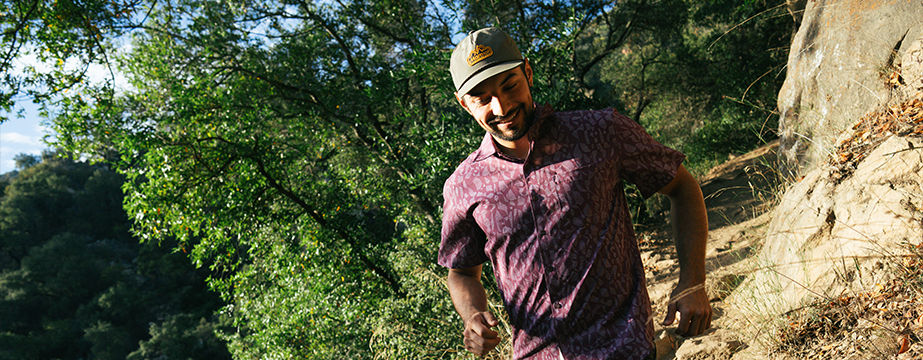
Lightweight pieces such as the Men's AirExchange UPF 50 Long-Sleeve Crew or Women's AirExchange UPF 50 Hoody illustrate how breathable layers can balance airflow, moisture management, and sun protection when conditions stay hot for hours at a time.
How Weather & Terrain Change What “Breathable” Means
Breathability does not behave the same way in every environment. A shirt that feels comfortable in one environment may feel very different in another.
If you're deciding what to wear in humid weather, fabric choice often becomes more important because evaporation happens more slowly than it does in dry conditions. A shirt that feels comfortable during a dry desert hike may feel much different on a humid trail where moisture lingers longer and evaporation slows.
Several factors influence how breathable clothing performs:
- Humidity levels
- Wind exposure
- Direct sun
- Elevation gain
- Trail difficulty
- Time spent moving
The conditions around you can change how that shirt feels and performs.
Common Mistakes When Choosing Breathable Clothing
Many people focus on a single feature when evaluating breathable clothes, but comfort outdoors is usually the result of several factors working together.
Common mistakes include:
- Assuming one fabric works best for every situation
- Ignoring how much sweat an activity produces
- Prioritizing softness over intended use
- Focusing only on fabric type instead of construction
- Overlooking fit and layering
Clothing that feels fine in mild conditions may perform very differently once the pace picks up or the weather changes.
How to Choose the Right Fabric for Your Activity
The best fabric for hot weather depends less on the fabric itself and more on how you plan to use it.
When deciding how to dress for hot weather, consider:
- Activity intensity
- Time outside
- Weather conditions
- Layering needs
A traveler walking through a city, a hiker spending the day above treeline, and a trail runner climbing steep terrain all place different demands on their clothing.
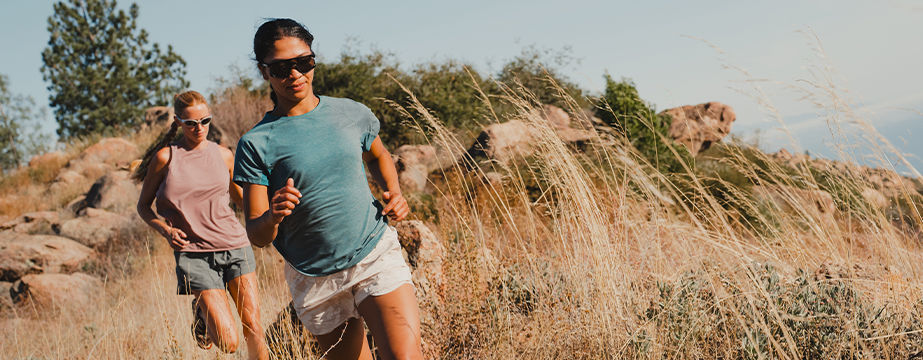
High-output activities often benefit from quick-drying synthetic fabrics. For example, products like the Men's Uptrail Active Tank Top and Women's Uptrail Active Short-Sleeve Shirt use mesh panels to improve airflow during sustained efforts where heat and sweat build quickly.
For hikers and travelers spending long days in warm weather, lightweight fabric systems such as Marmot's AirExchange Collection are designed to balance airflow, coverage, and comfort during extended use.
Frequently Asked Questions About Breathable Fabrics
How can I tell if a fabric is breathable?
Lightweight construction, visible texture, mesh panels, and fabrics designed for active use often indicate better airflow. Product descriptions that mention ventilation, moisture management, or warm-weather performance can also be helpful clues.
What fabric works best under a backpack?
A backpack reduces airflow across your back and shoulders. Many hikers prefer lightweight synthetic fabrics because they continue managing moisture effectively even when ventilation is limited.
Is cotton quick-drying?
Cotton absorbs moisture exceptionally well, which helps explain why it often feels comfortable during casual wear. However, cotton is not considered a quick-drying fabric. Compared with materials like polyester and nylon, it tends to hold onto moisture longer, which can become more noticeable during hiking, exercise, or humid conditions.
What is the best fabric for hiking in humid weather?
In humid weather, quick-drying synthetic fabrics are often the most practical choice because they move moisture away from the skin and dry more quickly than fabrics that hold onto sweat. That can make a noticeable difference on long hikes where evaporation slows and clothing stays damp longer.