Slide 1 of 4
Slide 2 of 4
Slide 3 of 4
Slide 4 of 4
Your Browser Is No Longer Supported. Please use an alternative browser to improve your experience and security.
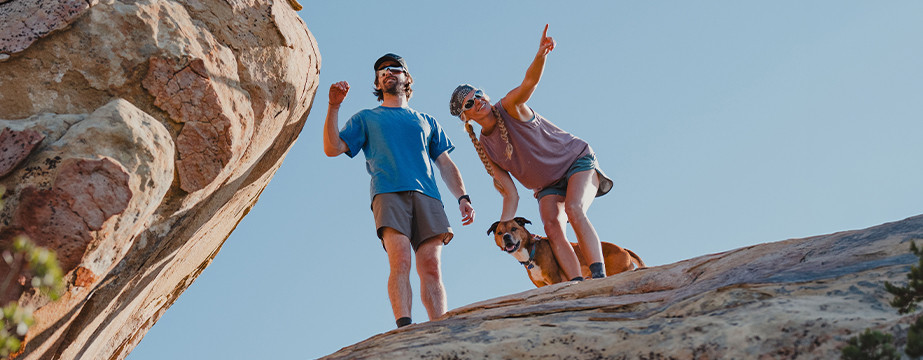
Hot weather can mess with your hike. A shirt that was light and breezy at the trailhead gets a little sweaty under your pack straps and things get uncomfortable. Even when it’s not too hot, long hikes in direct sun can make the going rough, too. That’s why knowing what to wear hiking in hot weather is essential. It’s not just about staying cool. Good hiking clothes help manage sun exposure, airflow, and sweat without becoming uncomfortable.
Instead of throwing on the lightest or thinnest shirts and shorts possible, look for fabrics that dry quickly, allow airflow, and stay comfortable during long hikes, changing weather, and full days outside.
Sun exposure can accumulate slowly when you’re on the trail. You may start really feeling the heat after hiking above the treeline or on a long stretch over exposed desert terrain, but even cooler days can lead to heavy UV exposure.
That’s one reason sun protection clothing matters more than you might expect. Sunscreen wears off over time, especially once you start to sweat. Clothing works the entire time you’re outside.
You usually notice the difference later in the day, once the sun has been overhead for a few hours. A lightweight long-sleeved shirt can leave you feeling cooler because your skin spends less time in direct sun.
Sun shirts, hoodies, and other hiking layers built for long days outside often include UPF ratings to show how much UV protection the fabric provides. UPF stands for Ultraviolet Protection Factor. It measures how much UV radiation passes through fabric. The higher the UPF rating, the more sunlight is blocked from reaching your skin.
When comparing UPF vs SPF, the biggest difference is where the protection comes from. SPF protects skin through sunscreen, while UPF measures how much UV radiation passes through fabric during wear. Both help protect against sun exposure, but clothing stays more consistent during long hikes when sweat and movement make sunscreen harder to maintain.
Still, UPF ratings only speak to protection, not comfort. A shirt can block UV very well and still feel hot if airflow and sweat evaporation are poor.
Most hiking sun shirts use synthetic fabrics like polyester or nylon. These materials dry faster than cotton and continue pulling sweat away from the skin as you sweat. That matters a lot on hot days.
Nylon usually handles abrasion better, which makes it common in hiking pants and overshirts. Polyester often feels slightly lighter and dries quickly during high-output movement. Both work well for hot-weather hiking when the fabric weave allows adequate airflow.
Cotton feels comfortable at first, especially in dry climates, but it absorbs sweat and dries slowly. Once wet, it can start sticking to your skin and trapping heat. That’s why most hikers wear lightweight synthetic layers for longer hikes and changing weather.
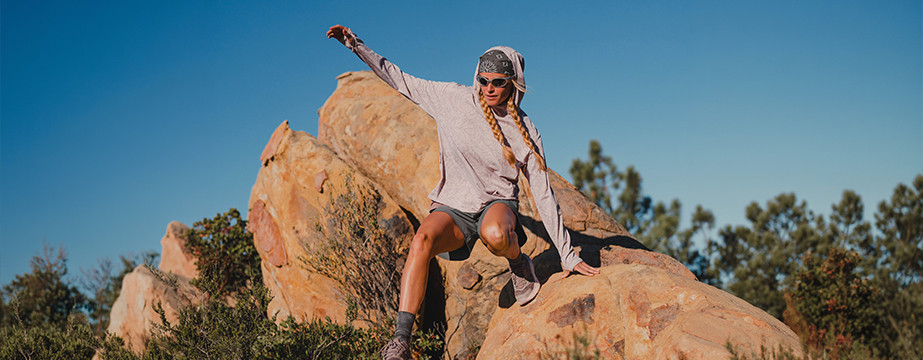
Some hikers may assume that less clothing always feels cooler. On exposed trails, though, the opposite can be true. Uncovered skin stays exposed to direct sun for hours at a time, especially on ridgelines, alpine routes, and desert trails.
That’s why airy long-sleeved shirts are great for hiking in hot weather. Breathable coverage helps reduce direct heat from the sun while still allowing airflow. Once you’ve spent a full day hiking across open terrain, the difference is easy to notice.
The Women’s AirExchange UPF 50 Hoody is built with that balance in mind. The lightweight fabric dries quickly and breathes well during movement, while the hood and thumbholes extend coverage across areas that usually get the most sun exposure.
Often, yes. A breathable long-sleeve hiking shirt can feel cooler over time because it blocks direct sunlight from your skin. The fabric still needs to ventilate to work well once you start sweating.
That said, short sleeves still make sense in certain conditions, especially during faster-paced hiking, trail running, or humid weather where maximum airflow matters more. The Women’s Windridge UPF 50 Short-Sleeve T-Shirt works well in those situations because the lightweight knit stays breathable and dries quickly.
Fit matters too. Slightly looser layers usually move air better than tight-fitting shirts, especially during climbs and long periods under a pack.
A shirt can dry quickly and still feel hot once humidity builds underneath it. That’s because breathability and moisture-wicking are not the same thing. Breathability refers to how easily heat escapes through fabric. Moisture-wicking refers to how sweat moves away from your skin.
Both matter when hiking in the heat. Once sweat starts collecting, your body relies on evaporation to cool itself. Clothing that traps moisture slows that process down.
In hot weather, breathable clothing helps sweat evaporate before humidity gets trapped underneath your layers. The Men’s AirExchange UPF 40 Long-Sleeve Collared Shirt works well in changing conditions because the fabric stays breathable during movement while the roll-up sleeves make it easier to adjust coverage as temperatures shift.
Some fabrics block UV extremely well but still feel warm on long hikes. Usually, it comes down to airflow. Tighter weaves often improve protection but reduce ventilation.
Humidity changes things too. A shirt that performs well in dry desert air can feel sticky in humidity where sweat evaporates slower. Wet fabric also behaves differently under a pack, especially around the shoulders and back.
Color can sometimes play a role as well. Darker colors often absorb more heat in direct sun, while lighter colors usually feel cooler.
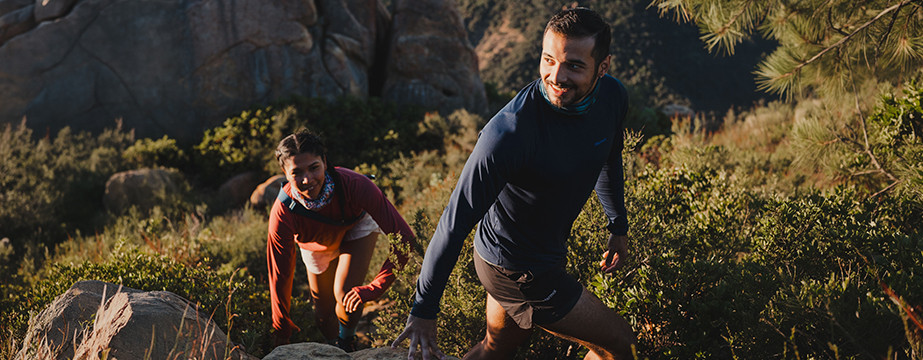
The best sun protection clothing depends on where you hike. Hiking in dry desert terrain usually calls for more coverage than hikers expect, especially once exposure stretches over several hours. If you’re hiking in humidity, you’ll want to place more importance on ventilation and quick-drying materials.
Walking through brush or bushwacking through a forest changes clothing needs too. Lightweight fabrics feel great in heat, but brush and repeated pack friction can wear them down faster over time. You’ll want more durable material for these conditions.
The Men’s Diverter Pro Softshell UPF 50 Hiking Pants are better suited to rugged terrain where abrasion resistance is important. For lighter summer hiking, the Men’s Trailway UPF 50 Hiking Pants balance breathability, mobility, and sun protection.
If you’re deciding what to wear hiking in hot weather, it helps to think about your clothing as a full system instead of separate pieces. Shirts, pants, hats, and lightweight outer layers all affect how your clothing handles heat, airflow, and moisture throughout the day.
A balanced hiking outfit usually includes:
The goal is steady, consistent comfort instead of just maximum airflow. The best clothing for hot weather usually balances coverage, drying speed, and ventilation instead of focusing on only one feature.
The back of your neck, ears, hands, and face often get the most sun. That’s why simple accessories matter more than you might expect. A brimmed hat, lightweight neck gaiter, or hooded layer can noticeably reduce heat and sun fatigue.
These pieces become especially useful when above the treeline or in desert terrain where there’s little shade for long stretches.
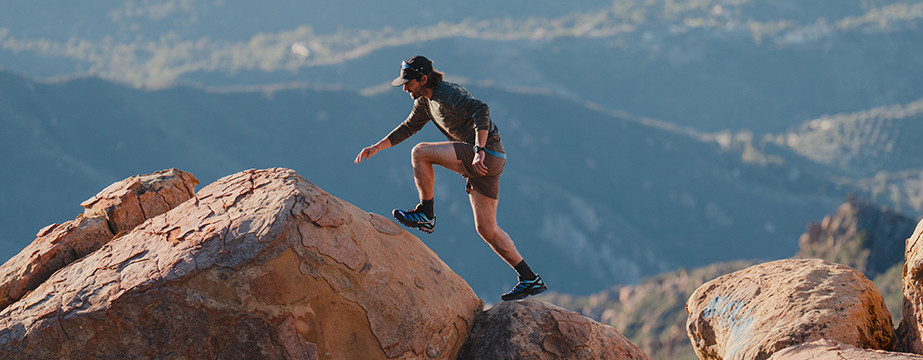
Don’t choose your clothing based solely on UPF rating. Protection matters, but airflow and drying speed matter too. A heavy shirt with poor ventilation can feel much hotter than a lighter fabric with slightly lower UPF.
Another mistake is assuming shorts and short sleeves are always the coolest option. During long hikes with little shade, uncovered skin can start feeling noticeably hotter after several hours of exposure.
Deciding what to wear hiking in hot weather depends less on wearing minimal fabric and more on choosing the right fabric for the right conditions.
Usually, yes. UPF clothing provides reliable protection during long days outside without needing to constantly reapply sunscreen. It also helps reduce direct sun exposure during long hikes with little shade.
Most technical hiking fabrics still provide protection when damp, though performance can vary by material. Wet fabric may also lose airflow and feel warmer during humid conditions.
Tightly woven synthetic fabrics like polyester and nylon usually provide the strongest balance of UV protection, durability, and moisture management for hiking. Still, even the most protective fabric needs enough airflow to feel comfortable after hours on the trail.
No. Moisture-wicking fabric moves sweat away from your skin. Waterproof fabric blocks outside moisture like rain. Some hiking layers can do both, but they solve different problems.
Most hikers focus on applying sunscreen to exposed areas like their face, hands, and legs. Covered areas usually do not need additional sunscreen unless the fabric becomes very thin or stretched.
Continue with chat using the message bubble


