Slide 1 of 4
Slide 2 of 4
Slide 3 of 4
Slide 4 of 4
Your Browser Is No Longer Supported. Please use an alternative browser to improve your experience and security.
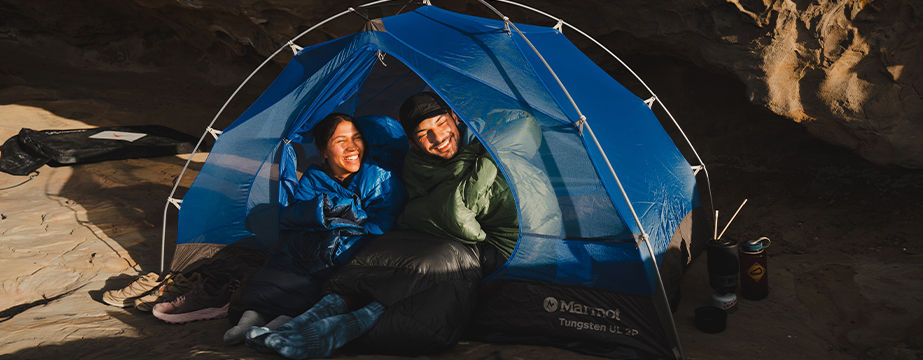
A sleeping bag takes a lot of abuse on a camping trip. It gets packed down small in the morning, often still a bit damp from perspiration and the humidity in your tent, and then shaken out for use every night without a chance to properly dry out.
Over the course of a long camping trip, you might start to notice your down sleeping bag has lost a bit of its loft. Sleeping bags with synthetic insulation tend to maintain their loft, but they might be a little less comfy. These kinds of changes usually come down to how the bag is used and cared for between nights.
In this guide, we’ll cover how to wash a sleeping bag, along with what you should know about drying, storing, and using it over time.
Everyday use, especially packing and exposure to moisture, influences how insulation behaves, particularly after long days hiking and nights in changing temps.
Down and synthetic fills respond differently. Down relies on open clusters that trap heat, so buildup from oils or moisture can affect how evenly it expands. Synthetic insulation handles damp conditions well, but the fibers still respond to repeated packing and unpacking.
Keeping the insulation clean, dry, and able to fully expand helps maintain warmth and comfort over time.
Most changes that affect warmth happen inside the bag while you sleep.
Body heat pushes moisture into the insulation each night. In dry air, it can escape, but in humid conditions or enclosed tents, it often lingers. Fine dust from the trail settles into high-contact areas like the shoulders and footbox, especially after multiple nights outside.
Over time, that buildup starts to change how the insulation behaves:
These changes aren’t always evident right away, but they can affect how evenly the bag holds warmth.
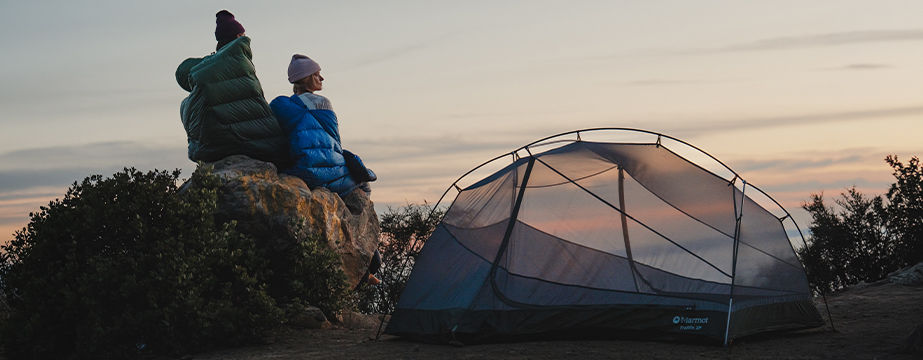
Day-to-day habits during a trip have a direct impact on how clean your sleeping bag stays.
After a full day on the trail, it’s common to get into your bag wearing the same outfit you hiked in. That carries sweat, moisture, and fine dirt into the lining. Over a few nights, especially in warm or humid conditions, that buildup starts to affect how well the insulation works.
Small habits can limit how much of that buildup settles in:
Even a short period of airflow can help.
A liner can help on longer trips or in warmer conditions where buildup happens faster. It adds a barrier between you and the insulation, which can make a difference after multiple nights in the same bag.
For long winter camping expeditions, you can use a vapor barrier to prevent your body heat from pushing perspiration into your sleeping bag while you sleep. It’ll help maintain a down sleeping bag’s loft.
Sleeping bags used on long trips or in humid environments tend to need cleaning sooner than those used occasionally in dry weather.
You’ll know it’s time to wash your sleeping bag based on how it feels and performs, not a fixed schedule.
It’s time to wash your sleeping bag if:
Cleaning at the right time helps maintain loft without adding unnecessary wear.
If your sleeping bag is a bit stinky or musty, or it’s not quite as puffy as it was out of the box, it’s time to wash it. A proper wash and dry can recharge the loft in your down sleeping bag and improve your synthetic bag’s performance.
Before washing or drying your sleeping bag, check the care label for manufacturer guidance. Materials and construction details can vary, so it’s worth confirming what your specific bag can handle.
Many sleeping bags can be washed in a machine, but capacity and design matter. Check the care label first, then use a large-capacity or front-loading washer so the bag can move freely and avoid unnecessary strain.
In many cases, leaving the bag unzipped allows water to move through more evenly and reduces stress on seams.
Use a cleaner designed for technical insulation rather than standard laundry detergent. Regular detergents can leave residue that affects loft and breathability, so it helps to choose a cleaner that matches your bag’s materials and follow the care label.
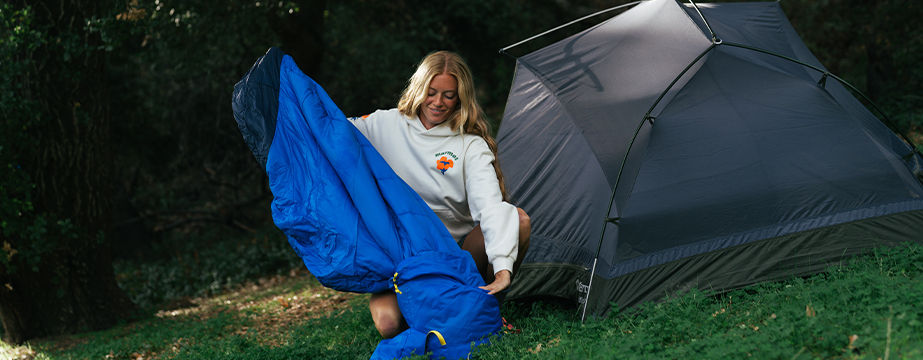
Drying usually takes longer than expected after washing your bag.
Even when the outer fabric feels dry, moisture can stay trapped inside the insulation. This can also be noticeable after nights with condensation or light rain, when the bag never fully dries between uses.
Many sleeping bags can be dried in a machine, but always check the care label first to confirm what your specific bag can handle. Low heat and extra time are important to avoid damaging the insulation.
When drying a sleeping bag, moving it around matters as much as temperature. As the bag moves, compressed areas begin to separate and clumps of wet down break apart and dry. You will know it’s ready when the loft feels even and no cool or damp spots remain.
It depends on conditions. In warm, dry air it may dry within a day or two. In cooler or humid environments, moisture can linger longer inside the insulation.
What you do with your sleeping bag after a trip will affect its future performance.
While compression stuff sacks are great for getting your bag into a backpack, they’re not ideal for long-term storage. Letting the bag stay loose gives the insulation space to maintain its shape. Many sleeping bags, including designs like the Wraptor series, come with both a compression sack for travel and a larger storage bag for use between trips.
Most people stuff a sleeping bag into a stuff sack rather than roll it when packing for a trip.
Stuffing is quicker at camp and spreads compression more evenly across the insulation, which helps after repeated packing and unpacking. Rolling can also cause creases in your sleeping bag if you roll it the same way each time.
For storage, the goal is to keep the bag loose and uncompressed. A large breathable storage sack or a hanging setup works best because it allows the insulation to stay expanded. If you prefer a neater setup at home, a loose fold is fine as long as the bag is not packed tightly.
Small habits during and after a trip can affect how a sleeping bag performs, especially with repeated use in changing conditions.
A few common mistakes to watch for:
These mistakes are easy to overlook in the moment, but over multiple trips, they can change how the bag performs when you settle in for the night.
The outer parts of a sleeping bag see a lot of use on a trip, especially when you are getting in and out at camp or packing up on uneven ground.
Zippers tend to pick up fine dirt and grit on the trail. Over time, that buildup can make them feel rough or more likely to snag. Brushing away debris and occasionally wiping the zipper track with a damp cloth helps keep it moving smoothly, especially after trips in dusty or sandy conditions.
The shell fabric deals with moisture from the ground, the air, and your own body heat overnight. In damp camps or condensation-heavy tents, you may notice water no longer beads on the surface. That usually means the water-repellent finish is wearing down. Washing the bag with a cleaner designed for technical fabrics and reapplying a treatment like Nikwax TX Direct Wash-In, when appropriate for your bag’s materials, helps restore that layer so moisture is less likely to reach the insulation.
Regular attention to these areas helps the bag hold up and maintain its performance.
Sometimes the bag just needs a reset after a stretch of heavy use. After a long trip, insulation can feel uneven or slower to loft. A proper wash followed by thorough drying can restore the loft, especially for down sleeping bags.
It’s also worth considering how long sleeping bags last. Lifespan often comes down to how they are stored, cleaned, and used across different conditions.
If the nature of your camping has changed, choosing a new sleeping bag that better matches where and how you camp is wise.
You can, but it depends on the design. Top loaders without a center agitator are usually fine. Machines with agitators can twist the bag and damage it.
Yes, if conditions allow. Air drying works best with steady airflow and low humidity. It takes a lot longer than using a dryer.
Only during travel. Dry bags protect against rain on the trail, but they trap moisture over time. For storage, a big, cotton, breathable storage sack works better.
Lounging around camp in your sleeping bag is fine, but using it as a seat over and over, especially on rocky ground, can compress the insulation in those areas.
Continue with chat using the message bubble


