Men's Rain Jackets
Men's Rain Jackets
Sort by:


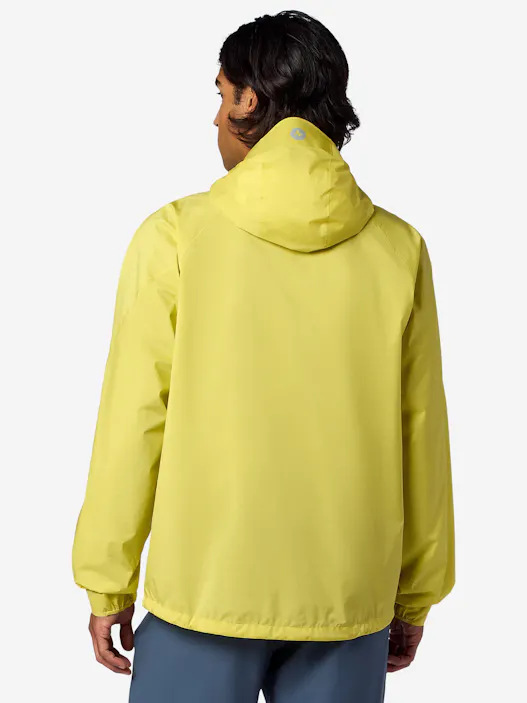


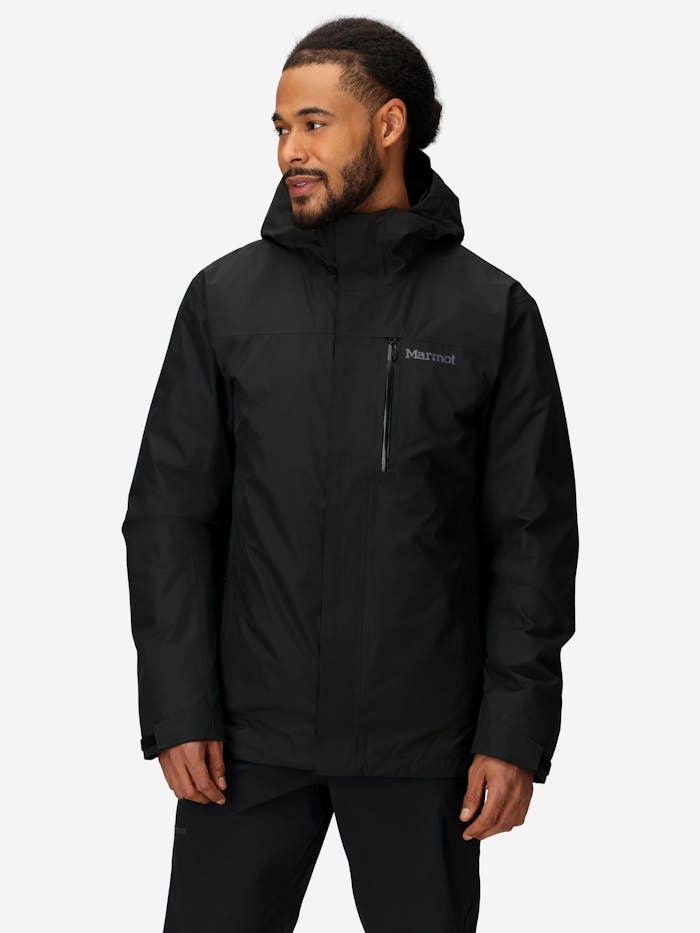


Men's Ramble Component 3 in 1 Waterproof Jacket (Fall 2025)
$285.00
FREE Shipping + Rewards Members Earn 3X Points


Men’s Rain Jackets for Time Spent in Wet Weather
Rain jackets are rarely about one moment. They’re about how they hold up over a few hours when the weather doesn’t clear and you’re still moving.
Marmot's men’s rain jackets are built with that kind of use in mind. Not just something to throw on for a quick shower, but layers that stay comfortable when the rain lingers and your pace stays steady. The difference usually comes down to how well a jacket manages moisture from both sides, what it feels like under a pack, and how much attention it needs once it’s on.
You may find:
- Men’s rain jackets designed for hiking, travel, and everyday use
- Lightweight shells that pack down when conditions improve
- Options built for both short outings and longer days outside
These are the jackets that make it easier to stay out rather than cut the day short.
Waterproof Construction and Breathability
At a baseline, men’s waterproof jackets are built to keep rain out while allowing internal moisture to escape. Both matter, especially once you’re moving for more than a few minutes.
Common construction features may include:
- Waterproof fabrics paired with seam-taped construction
- Breathable membranes that help manage heat buildup
- Durable Water Repellent (DWR) finishes that shed surface moisture
- Venting options that allow heat to escape without removing the jacket
These elements work together to keep the inside of the jacket from feeling damp over time, not just at the start.
Details That Matter Once You’re Wearing It
After a few miles, smaller details tend to matter more than specs. How a hood sits when the wind picks up. Whether pockets are still usable with a pack on. How easily the jacket adjusts without stopping.
Design elements may include:
- Adjustable hoods that maintain coverage without blocking visibility
- Pocket placement that works with pack straps or harnesses
- Packable designs that stow without taking up much space
- Stretch or articulated construction that moves naturally
Marmot's men’s rain jackets are built for that kind of use. The kind where you leave it on and keep moving, rather than constantly adjusting it.
FAQs for Men-Rainwear-Jackets
How do you choose a men’s rain jacket for all-day hiking in wet conditions?
You’ll need a rain jacket that’s waterproof, seam-taped, and breathable to maximize your comfort on a full day in the rain. A jacket that stays comfortable under a pack, manages heat during steady movement, and doesn’t need constant adjustment tends to work better on longer days.
What kind of rain jacket works best for hiking with elevation gain?
On climbs, breathability and movement matter more. A shell that allows heat to escape and doesn’t feel restrictive through the shoulders helps you stay comfortable as you climb.
How do you choose between different types of jackets for outdoor use?
Each jacket serves a different purpose. A shell is best for foul weather, fleece is great for staying warm during movement in cold weather or relaxing in cool conditions, and insulated layers are for when activity slows or it’s very cold. Matching them to the conditions makes all the difference.
How should a rain jacket feel when worn over multiple layers?
It should layer cleanly without pulling or bunching. You want enough room for insulation underneath while still maintaining a fit that moves easily as conditions change.
What should you look for in a rain jacket for exposed terrain?
Coverage and stability become more important in open areas. A hood that stays in place and a jacket that doesn’t shift in wind help maintain comfort when conditions pick up.
How do you know if a rain jacket will hold up over repeated use?
Three-layer and 2.5-layer jackets will hold up over repeated use longer than a jacket that only has a DWR coating or a 2-layer fabric. Two-layer fabrics are also great in many conditions, but they’re not as durable as 3-layer or 2.5-layer shells. A jacket that continues to shed water, stays comfortable under friction from a pack, and doesn’t break down quickly tends to stay in your kit longer.
How do men’s rain jackets differ for short outings versus longer trips?
Ultralight, super-packable shells often work well for shorter outings or as emergency-use-only back-ups. While more durable options tend to feel better over extended wear or when weather settles in for longer periods.